
Responsible Gambling
At Bwin Casino, we are committed to promoting safer gambling practices across our platform and ensuring that all users engaging with our content are fully aware of the risks associated with gambling activities. Gambling should always be treated as a form of entertainment rather than a source of income, and our aim is to provide clear, responsible, and transparent information that supports informed decision-making.
This Responsible Gambling page is designed specifically for UK audiences in line with the UK Gambling Commission’s safer gambling framework. We encourage users to explore our internal resources including the Terms & Conditions, Privacy Policy, FAQ, and About section to better understand how our informational platform operates.
We do not provide gambling services directly; instead, we offer educational content, reviews, and affiliate insights designed to help users navigate the iGaming landscape responsibly. If you ever feel that gambling is affecting your wellbeing, you are encouraged to seek support immediately through the resources listed below or contact our team.
For responsible gambling enquiries, you may reach us at [email protected] or visit our Contact Page.
Core Principles of Responsible Gambling at Bwin Casino
Our platform is built on transparency, user protection, and harm minimisation principles aligned with UK safer gambling standards. We aim to ensure that all content published on Bwin Casino promotes informed gambling decisions without encouraging excessive or harmful behaviour.
We advocate for gambling as entertainment, not a financial strategy, emphasising the importance of personal limits, awareness, and self-control. Users should always understand that outcomes are random and losses are a natural part of gambling activities.
Our editorial framework prioritises clear communication of risks, including addiction potential, emotional stress, and financial loss. We regularly review content to ensure compliance with UKGC guidance and industry best practices.
We encourage users to use internal resources such as our FAQ and external organisations like BeGambleAware for independent support and guidance.
Recognising Harmful Gambling Behaviour
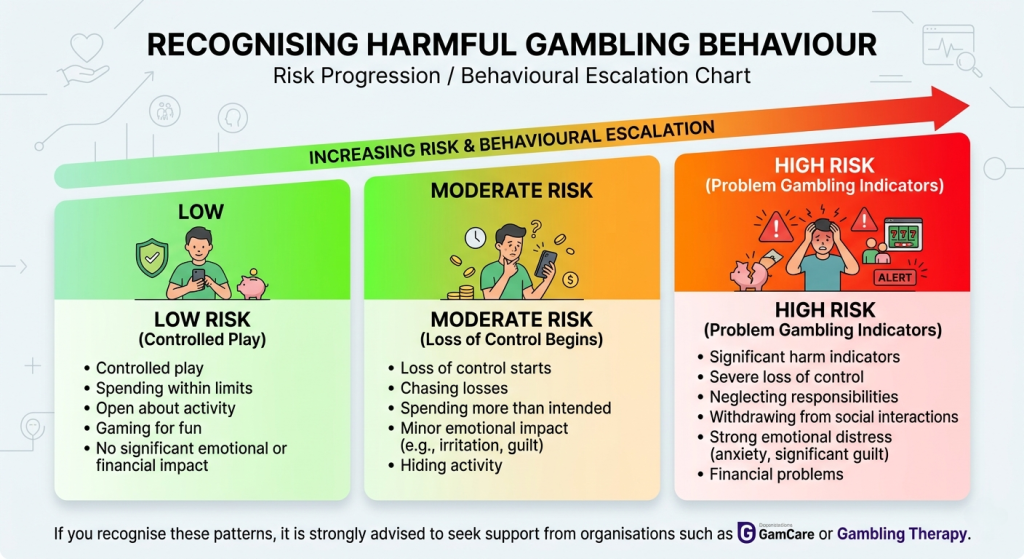
Early identification of problematic gambling behaviour is essential in preventing long-term harm. Warning signs may include chasing losses, hiding gambling activity, or spending more than intended on gambling platforms.
Emotional indicators such as anxiety, irritability, or guilt after gambling sessions may signal unhealthy habits developing over time. Users should monitor both financial and psychological responses to gambling activity.
Behavioural changes, including neglecting responsibilities or withdrawing from social interactions, are often overlooked but significant warning signals of gambling-related harm.
If you recognise these patterns, it is strongly advised to seek support from organisations such as GamCare or Gambling Therapy.
Building Safer Gambling Habits
Developing safer gambling habits begins with structured limits on time and money spent. Users should always set predefined budgets before engaging in any gambling-related activity.
Taking regular breaks helps maintain perspective and reduces emotional decision-making during gameplay. Short intervals can significantly reduce impulsive behaviour.
It is recommended to avoid gambling under emotional distress, fatigue, or under the influence of alcohol, as these conditions impair judgement and increase risk-taking behaviour.
Tools such as deposit limits and reality checks provided by licensed operators under UK Gambling Commission regulation can support healthier gambling routines.
Emotional Wellbeing and Gambling Impact
Gambling can have a significant emotional impact, particularly when losses accumulate or expectations are not met. Emotional wellbeing should always take priority over gambling activity.
Feelings of frustration, stress, or escapism are common triggers that can lead to increased gambling frequency and potential dependency if not addressed early.
Maintaining a balanced lifestyle with non-gambling activities such as exercise, social interaction, and hobbies is essential for emotional stability.
If gambling is affecting your mental health, support is available through Samaritans for immediate emotional assistance.
Financial Control and Gambling Budgets
Financial discipline is a key component of responsible gambling. Users should only gamble with disposable income that does not impact essential living expenses.
Setting strict weekly or monthly gambling budgets helps prevent overspending and ensures gambling remains a controlled form of entertainment.
Tracking spending patterns can provide clarity on gambling behaviour and help identify early signs of financial risk or dependency.
We recommend using banking tools and alerts to monitor gambling-related transactions and maintain full control over personal finances.
Self-Exclusion and Account Restriction Tools
Self-exclusion is an effective tool for individuals who need a break from gambling. It allows users to restrict access to gambling services for a defined period.
UK users can register with GAMSTOP, a national self-exclusion scheme that blocks access to licensed gambling operators.
Additional tools such as BetBlocker and Gamban provide device-level restrictions for gambling websites and apps.
These tools are highly effective when combined with professional support from organisations such as Gamblers Anonymous UK.
Gambling Blocking Software and Digital Protection
Blocking software is designed to prevent access to gambling platforms across multiple devices, helping users maintain control over their online activity.
Solutions such as GamBlock and Net Nanny provide advanced filtering systems that restrict gambling-related content and websites.
These tools are particularly useful for individuals who struggle with impulse control or have previously experienced gambling-related harm.
Combining software protection with behavioural support creates a stronger barrier against relapse or excessive gambling behaviour.
Protecting Minors and Vulnerable Individuals
Protecting minors from gambling exposure is a legal and ethical priority under UK regulations. Gambling platforms are strictly intended for individuals aged 18 and over.
Parental controls and device restrictions should be used to prevent underage access to gambling-related content online.
Vulnerable individuals should be supported with additional safeguards, including monitoring tools and restricted access to financial accounts where necessary.
Educational awareness is crucial in preventing early exposure and developing healthy attitudes toward gambling behaviour.
Gambling Myths and Misconceptions
Many gambling myths contribute to unrealistic expectations, such as believing that losses can be recovered through continued play or that outcomes can be predicted.
Gambling outcomes are based on random probability, and no strategy can guarantee consistent winnings over time.
Misconceptions about “hot streaks” or “due wins” often lead to irrational decision-making and increased financial risk.
Understanding randomness and probability helps users make more informed and responsible gambling decisions.
Emotional and Financial Consequences of Gambling Addiction
Gambling addiction can lead to severe emotional distress, including anxiety, depression, and loss of self-control over financial decisions.
Financial consequences may include debt accumulation, inability to meet obligations, and strained relationships with family and friends.
Long-term addiction often requires structured intervention and professional support to rebuild financial stability and emotional wellbeing.
Early intervention significantly improves recovery outcomes and reduces long-term harm associated with compulsive gambling behaviour.
Practical Safer Gambling Strategies
Implementing structured gambling strategies such as time limits and pre-set budgets helps maintain control over gambling activity.
Users are encouraged to avoid chasing losses and to accept gambling as a form of paid entertainment rather than income generation.
Keeping a gambling diary can help track habits and identify behavioural patterns that may require adjustment.
Regular self-assessment is a powerful tool for maintaining awareness of gambling habits and preventing escalation.
Support for Family Members and Friends
Gambling harm often affects not only individuals but also their families and social circles. Support systems play a vital role in recovery and stability.
Family members are encouraged to communicate openly and without judgement to help individuals recognise problematic behaviour.
External counselling and support groups can assist families in coping with emotional and financial stress caused by gambling issues.
Organisations such as GamCare offer dedicated family support services.
Seeking Professional Help and Treatment Options
Professional treatment is recommended when gambling behaviour begins to affect daily life, finances, or mental health significantly.
Specialist services such as cognitive behavioural therapy (CBT) are commonly used to address gambling addiction patterns.
UK clinics such as the National Problem Gambling Clinic provide structured treatment programmes tailored to individual needs.
Early engagement with professional services increases the likelihood of successful recovery and long-term stability.
UK Bank Gambling Transaction Controls
Many UK banks now offer gambling transaction blocks to help users control spending and restrict access to gambling payments.
These features can be activated directly through mobile banking apps and provide an additional layer of financial protection.
Users can combine banking restrictions with self-exclusion tools for stronger overall control of gambling activity.
Financial institutions increasingly support safer gambling initiatives in alignment with UK regulatory expectations.
External Gambling Support Organisations
Independent support organisations provide confidential help and guidance for individuals experiencing gambling-related harm.
GamCare offers counselling and support services for affected individuals across the UK.
BeGambleAware provides information and resources for safer gambling practices.
Gambling Therapy offers online global support communities and professional advice.
Emergency Support and Crisis Helplines
In cases of emotional distress or crisis, immediate support is essential to ensure safety and wellbeing.
The Samaritans provide 24/7 confidential emotional support for individuals experiencing mental health challenges.
Gamblers Anonymous UK offers peer support groups for individuals recovering from gambling addiction.
Emergency intervention should always be sought if gambling behaviour leads to severe emotional or financial distress.
Affiliate Disclosure and Informational Purpose
Bwin Casino is an informational and affiliate-based platform that provides reviews, guides, and educational content related to online gambling services.
We may include affiliate links, meaning we may receive a commission at no additional cost to users when they engage with partner services.
Our content is designed to be transparent, unbiased, and focused on providing users with helpful information rather than promoting excessive gambling.
Users are encouraged to verify information independently and always gamble responsibly when using third-party services.
Contact Information and Responsible Gambling Enquiries
For any responsible gambling-related concerns, users can contact our support team via email or through our official contact page.
Email: [email protected]
Contact Page: https://bwincasinouk.com/contact/
We encourage users experiencing gambling-related difficulties to seek immediate external support from qualified organisations listed throughout this page.
FAQ – Responsible Gambling Overview
What Is Responsible Gambling
It refers to playing within limits, staying aware of risks, and treating gambling as entertainment. This helps players maintain control and avoid developing harmful betting habits over time.
How Can I Set Limits
Use budgeting tools, bank restrictions, and self-exclusion services. These tools are designed to help you manage spending and prevent gambling from exceeding your personal financial boundaries.
Where Can I Get Help
GamCare, BeGambleAware, and NHS gambling services offer support. These organisations provide confidential assistance, guidance, and treatment options for anyone affected by gambling-related issues.
Is Gambling Addictive
Yes, it can become addictive if not controlled properly. That is why it is important to monitor behaviour and seek support early if gambling starts to feel difficult to control.